
Wise Pilgrim Camino Portugués
Wise Pilgrim GuidesTravel & Local
2.511.00 Reviews
- Version
- 6.5.0
- Installs
- 10.00K
- Age Rating
- Everyone
Screenshots
Our Review of Wise Pilgrim Camino Portugués
 Analysis by Appyee
I wouldn’t treat a Camino guide as a substitute for looking around, asking questions, or checking the day’s plan; I’d use it to make decisions with less guesswork while walking. That distinction matters with Wise Pilgrim Camino Portugués: its appeal is the idea of having route information gathered around one particular journey, from Lisbon toward Santiago, rather than relying on a general travel app to make sense of the pilgrimage.
A route guide, not a general travel planner
In my view, the most useful way to approach this Travel & Local app is as a route companion for the Portuguese Way. A broad mapping app can help you get around a town, but a Camino-specific guide is more relevant when you are thinking about stages, walking distances, places to stay, and what lies along the way. That focus is the main reason I’d consider it instead of trying to assemble every detail from unrelated sources.
The app is made by Wise Pilgrim Guides, a developer focused on pilgrimage guides. It costs $4.49, is rated for Everyone, and its current version is 6.2.4. It has an average rating of 2.4 from 114 ratings, so I would not assume every walker will find the experience equally smooth. Its 10K+ installs show that it has reached a meaningful group of users, but the modest rating is a useful reason to test the interface and route information before depending on it for every decision.
What a route-focused view changes
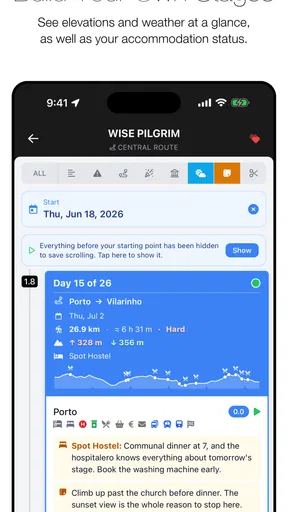
A stage-based view can help turn a long walk into manageable daily choices. Instead of asking only where you are on a map, you can think about how far you intend to walk, what the next section may involve, and where you might pause or finish. That is useful before setting out, but also during the day when your pace, energy, or plans change.
I’d use the map as a reference rather than blindly follow it. On a real walk, signs, weather, fatigue, and local advice all matter. A phone guide is most helpful when it lets you check your position or orient yourself at a junction, then put the phone away again. That approach preserves the pleasure of walking while still giving you a practical backup when the route feels unclear.
Planning a day without overplanning it
Before leaving in the morning, I’d check the intended stage and note a couple of sensible stopping points. I would not turn every kilometre into a fixed appointment: a pilgrimage day can unfold differently depending on how the walk feels. A guide that brings route context and accommodation information together can make it easier to adapt without starting your research from scratch each time.
One practical habit is to look ahead the evening before, while you have time and a reliable connection, then keep only the essentials in mind on the trail. If you’re walking with someone else, agree on a rough destination and a fallback plan before starting. That prevents a low battery or a tired decision at the end of the day from becoming the moment you first think about where to stay.
Accommodation information is useful, not a guarantee
Knowing what lodging options are listed along the route can reduce uncertainty, especially after several hours on foot. Still, I’d treat a directory as a starting point, not proof that a bed is available or that details remain current. If a particular place matters to your plan, contact it using the information in the guide and have another option in mind. That small check is more useful than assuming any app can remove the need to make arrangements.
This is also where the app’s focused scope can be a trade-off. A dedicated Camino guide may be easier to consult for the route than a general map, while a general map or local source may be better for errands, transport, or places beyond the walking itinerary. I would keep the tools complementary rather than expect one guide to handle every travel need in Portugal and Spain.
Offline preparation and phone habits
Offline access is particularly valuable when mobile coverage is unreliable, but it only helps if the relevant information is ready before you lose a connection. I’d check the app at the lodging or over a dependable network, prepare the route material I expect to need, and confirm that it remains accessible before setting off. Carrying a power bank and keeping the phone out of constant use are sensible habits on any long walking day.
There is a balance here: GPS and frequent map checks can make navigation feel reassuring, but they also invite you to watch the screen instead of the path. I’d check at confusing turns and planned breaks, not every few minutes. If the route markings and the app seem to disagree, I’d pause, compare the surroundings, and ask someone nearby rather than keep walking simply because a dot on the map appears to point onward.
Your Digital Pilgrimage Companion
First things first, the Wise Pilgrim Camino Portugués app is designed to assist pilgrims on their journey along the Portuguese Way of the Camino de Santiago. For those who might not be familiar, this is a beloved pilgrimage route that stretches from Lisbon all the way to the iconic Santiago de Compostela in Spain. The app is packed with features that cater to both newbie and seasoned pilgrims.
Getting Started
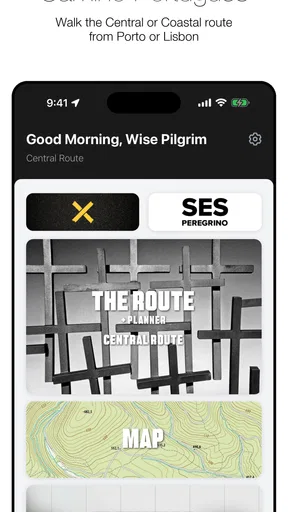
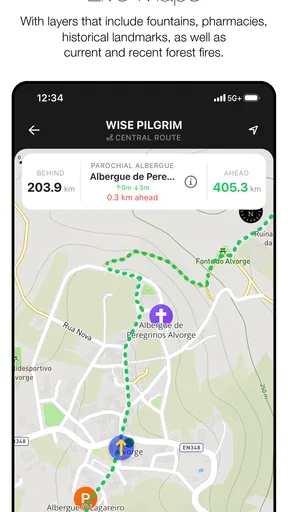
When you first open the app, you’re greeted with a user-friendly interface that doesn’t overwhelm you with options. It’s intuitive and straightforward. The app provides a clear map of the Camino Portugués, which is a blessing when you’re navigating through unfamiliar territories. No more fumbling with paper maps or trying to decipher signs that seem to have a mind of their own!
Features That Make a Difference
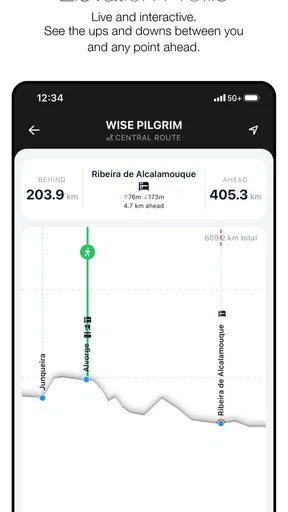
I was particularly impressed by the GPS tracking feature. It’s like having a little guardian angel ensuring you don’t stray off the path. The app also offers a detailed breakdown of each stage of the journey, complete with elevation profiles and distance markers. Whether you’re planning your day’s walk or just curious about what lies ahead, this app has you covered.
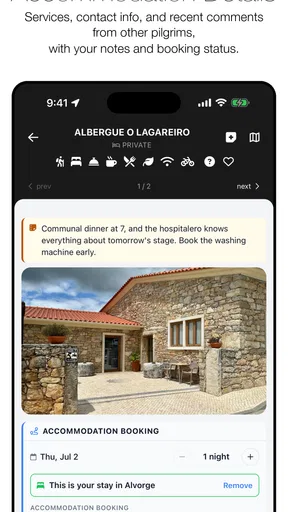
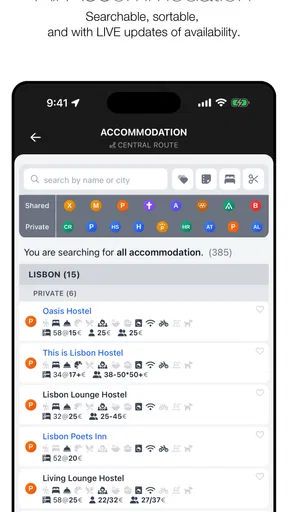
One of the standout features is the accommodation guide. The app lists all the albergues and hotels along the route, complete with contact details and user reviews. Trust me, after a long day of walking, knowing exactly where you’ll be resting your head is a huge relief.
Connecting with Fellow Pilgrims
Another highlight is the ability to connect with other pilgrims. You can share your experiences, leave tips, and even arrange to meet up with fellow travelers. It’s a great way to make new friends and share stories from the road.
Offline Capabilities
Now, let’s talk about one of my favorite features: offline access. There are parts of the Camino where cell service is as elusive as a pot of gold at the end of a rainbow. The app allows you to download maps and guides, ensuring you’re never left in the lurch. Just remember to download the necessary data before you set off each day!
Personal Reflections
Walking the Camino is as much about the internal journey as it is the physical one, and this app respects that. It doesn’t bombard you with notifications or unnecessary distractions. Instead, it quietly enhances your journey, providing information and support just when you need it.
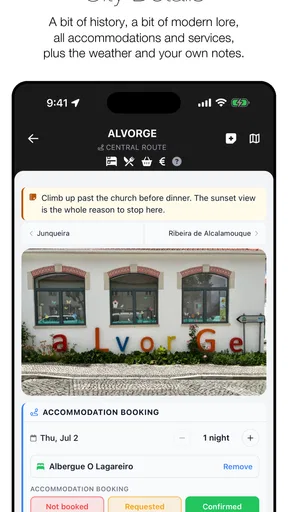
As someone who loves to explore and connect with nature, I found the app’s information on historical sites and natural landmarks particularly enriching. It’s like having a digital history book that you can reference whenever you want to learn more about the places you’re passing through.
Final Thoughts
All in all, the Wise Pilgrim Camino Portugués app is a must-have for anyone planning to walk this beautiful route. It’s not just about getting from point A to B, but about enhancing every aspect of your journey. Whether you’re walking for spiritual reasons, adventure, or simply to enjoy the breathtaking landscapes, this app is your perfect companion.
So pack your bags, lace up your boots, and let this app guide you on an unforgettable pilgrimage. Buen Camino!
Who will get the most from it?
I’d recommend this guide most to someone who has already decided to walk the Portuguese route and wants route-oriented information close at hand. It can be especially useful for first-time pilgrims who are comfortable making their own choices but would rather not piece together every stage from scattered sources. More experienced walkers may value it as a compact reference, while still relying on their own judgement and local knowledge.
It is less compelling if your trip is mainly city sightseeing, if you need a general-purpose navigation tool for a wider itinerary, or if you prefer to plan every lodging and transfer through separate booking services. Likewise, someone who expects a guide to guarantee current availability or replace route signs may be disappointed. I’d treat it as one dependable layer of preparation, not the whole travel plan.
A realistic day on the route
Imagine leaving your lodging in the morning with a broad idea of where you hope to finish. I’d review the stage before starting, then use the map to orient myself at unfamiliar turns rather than keeping the screen open continuously. If the walk is taking longer than expected, I could reconsider the endpoint and check the accommodation information before fatigue makes the decision harder. That is a more realistic benefit than expecting an app to make the day effortless: it supports small adjustments as circumstances change.
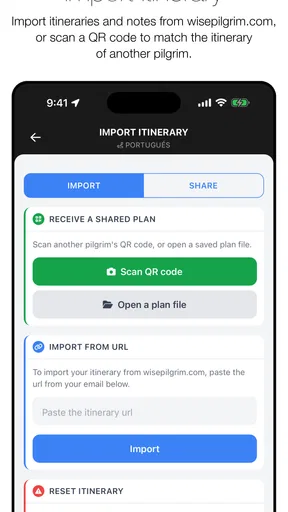
For a group, the same information can help everyone agree on a shared plan, but I would still settle on a meeting point if people walk at different speeds. A phone guide does not replace communication or common sense. It can, however, reduce the “where are we going next?” discussion when the group has already chosen a stage and needs to check the route.
How it compares with ordinary map apps
A general map app is often the better choice for finding a restaurant, navigating streets to a bus station, or exploring somewhere away from the Camino. Its broader coverage is useful beyond the pilgrimage itself. The advantage of a dedicated guide is its route-specific framing: stages, walking context, and pilgrim-oriented accommodation are more central than they would be in a conventional map.
Paper guides have their own strengths, especially when you want to read without draining a phone or when you prefer a wider overview on the page. I see the digital guide as more convenient for checking your position and carrying route information in one device; I see paper as a useful backup and a calmer way to browse. If you are choosing only one tool, the right answer depends on whether quick location checks or screen-free reference matters more to you.
Small checks that prevent avoidable trouble
Before relying on a route guide, I’d make sure I know how to find the stage information I need, rather than trying to learn the interface at a confusing junction. I’d also check the phone’s charge before leaving, download or prepare the material I expect to use offline, and keep a rough sense of the route instead of depending entirely on GPS. These are simple habits, but they make a digital guide more useful when conditions are less convenient.
The app’s average rating is 2.4, so I would approach it with realistic expectations and try it before building an entire trip around it. Ratings do not tell me exactly what another person experienced, but they are a reason to confirm that the current version works well on my device and suits the way I like to navigate. The age rating is Everyone, and the app was released on March 23, 2016; its minimum OS requirement is 7.0, which is relevant if you are preparing an older phone for the walk.
My recommendation
At $4.49, I’d consider the purchase worthwhile if I were walking this specific route and expected to use its stage and accommodation guidance repeatedly. I would skip it if I only wanted a general map, did not plan to walk the Camino Portugués, or was unwilling to verify practical details such as lodging before relying on them. The right choice is less about having the most features and more about whether a route-focused reference fits your actual walking style.
My practical recommendation is to use it as a companion: prepare before the day begins, check it when you need orientation, and let signs, local advice, and your own energy shape the walk. That balance makes the guide more useful than either constant screen-checking or expecting a single app to plan every detail. For a pilgrim who wants a focused digital reference for the Portuguese Way, it can earn a place in the pocket—provided its interface and information work for you in practice.
Verdict
Strengths of Wise Pilgrim Camino Portugués
- User-friendly interface for easy navigation.
- Comprehensive offline maps available.
- Daily tips to enhance your journey.
- Includes historical insights and landmarks.
- Real-time weather updates for planning.
Limitations of Wise Pilgrim Camino Portugués
- Limited customization for notifications.
- Some features require premium purchase.
- Occasional GPS inaccuracies reported.
- User support lacks live chat option.
- High battery usage during GPS tracking.
Other Releases by Wise Pilgrim Guides
View All
Wise Pilgrim Camino Francés
Travel & Local3.8
Similar Picks in This Category
View All
Google Maps
Google LLC3.4

Google Maps Go
Google LLC4.1

Booking.com: Hotels & Travel
Booking.com Hotels & Vacation Rentals4.8

Google Earth
Google LLC3.8

Skyscanner Flights Hotels Cars
Skyscanner Ltd4.8

trivago: Compare hotel prices
trivago N.V.4.4
Frequently Asked Questions
What is Wise Pilgrim Camino Portugués and how does it enhance my Camino experience?
Wise Pilgrim Camino Portugués is a comprehensive guide app designed for pilgrims walking the Camino Portugués. It provides detailed maps, accommodation listings, and historical insights to enhance your journey. With offline capabilities and real-time updates, it ensures you have all necessary information at your fingertips, making your pilgrimage more informed and enjoyable.
Is Wise Pilgrim Camino Portugués available offline and how reliable is it without internet access?
Yes, Wise Pilgrim Camino Portugués is designed to function offline, ensuring that you have access to maps and essential information even without internet connectivity. This feature is particularly beneficial in remote areas along the Camino. The offline reliability helps prevent disruptions, allowing you to focus on your journey without technological worries.
What are the key features of Wise Pilgrim Camino Portugués that make it a must-have for pilgrims?
The app offers several key features: interactive maps, detailed stage descriptions, accommodation options with reviews, and cultural highlights along the route. It also provides practical tips and emergency contacts. These features collectively make it an indispensable companion for anyone undertaking the Camino Portugués, offering both practical support and enriching insights.
How user-friendly is the Wise Pilgrim Camino Portugués app, especially for first-time users?
Wise Pilgrim Camino Portugués is designed with user-friendliness in mind, featuring an intuitive interface that is easy to navigate. First-time users will appreciate the straightforward layout, with clear categories and a search function to quickly find information. The app’s design aims to minimize the learning curve, accommodating users of all tech levels.
Does Wise Pilgrim Camino Portugués offer updates and how frequently are they provided?
The app provides regular updates to ensure that users have the most current information. These updates can include new accommodation listings, route changes, and user feedback improvements. The frequency of updates varies based on user contributions and changes along the Camino, but the commitment to accuracy and relevance remains constant.
